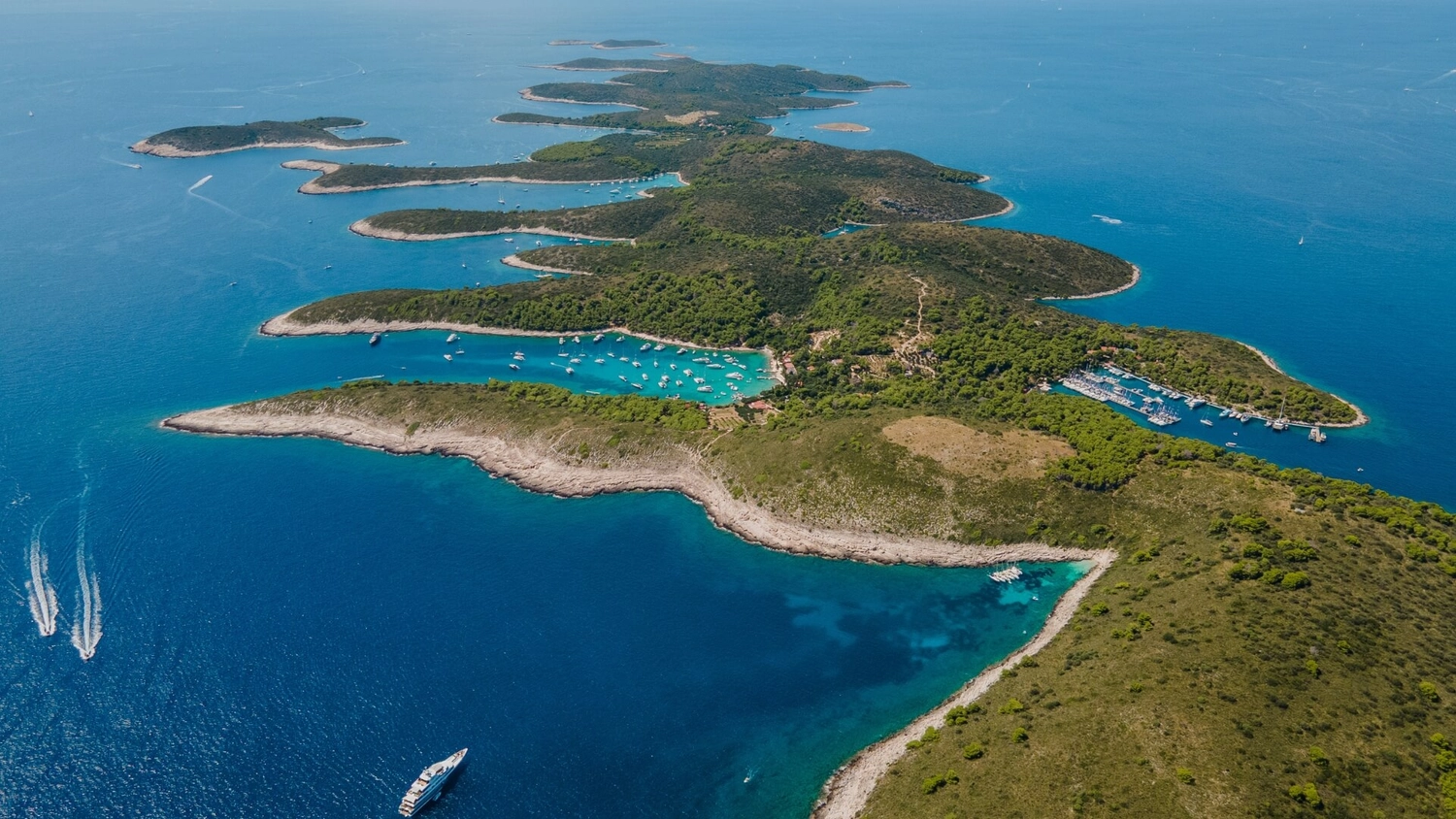

Best Ways to Get Around the Islands in Croatia | 2026 Guide
By MedSailors Crew published on 10 December 2025
Exploring the Croatian islands is one of the most rewarding ways to see the Adriatic. With more than a thousand islands scattered along the coast, each with its own beaches, villages, hiking trails, and culture — planning how to get around is essential.
The good news: moving between islands is straightforward once you understand the main transport options. Ferries form the backbone of island travel, while fast catamarans, private yacht charters, and organised sailing trips offer speed or convenience. A few islands are even connected by bridges, and some islands are best cycled through.
This guide breaks down every way to travel around the Croatian islands, along with route tips, planning advice, and answers to the most common questions travellers ask.
Here is the TL;DR version for the best Croatian island hopping options:
- Ferries and fast catamarans for independent travel
- Private charters or bareboat for flexibility
- Massive cruise ships that visit only select islands, big crowds
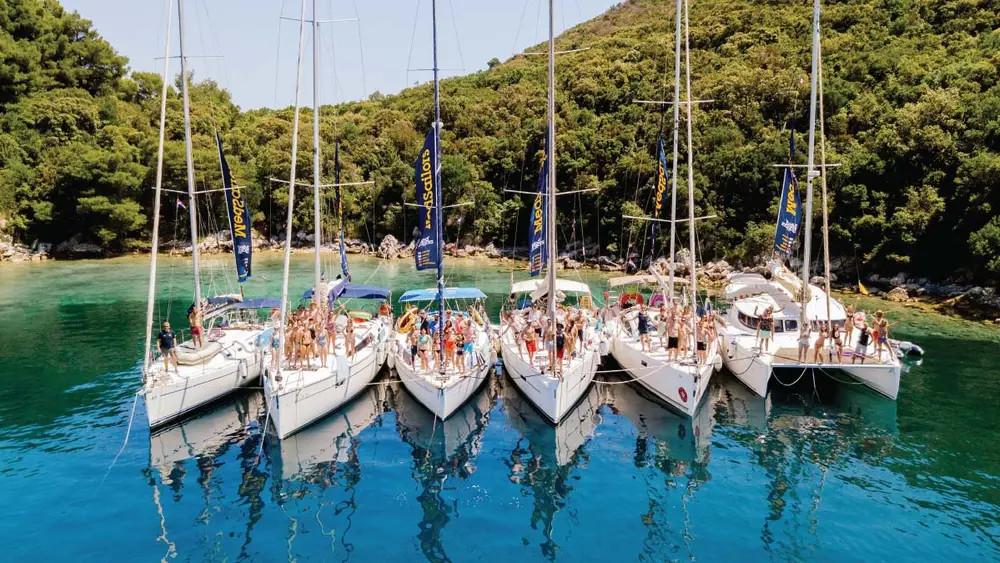
- MedSailors small group tours or catamaran cruises that combine sailing, exploring, nightlife, socialising, and island activities.
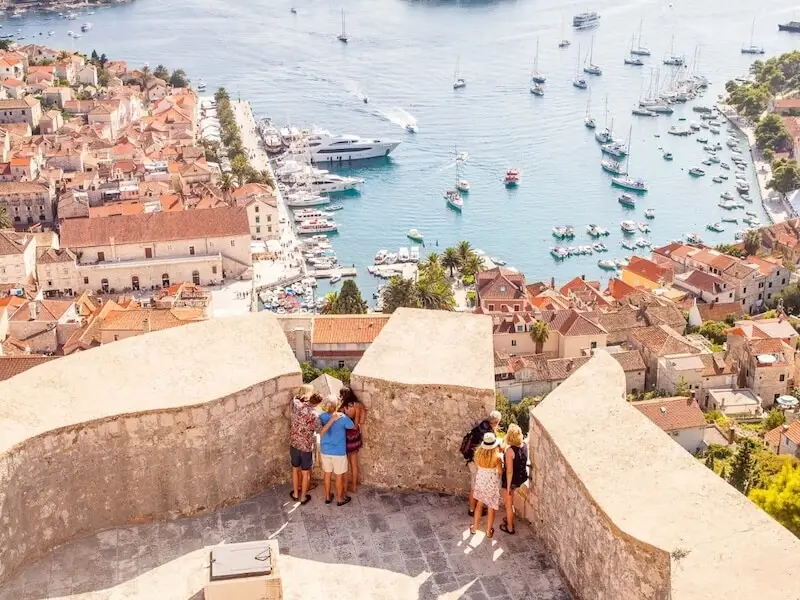
Why Island Hopping in Croatia is So Amazing
Island hopping is popular because the islands are close together and easy to access. Travellers can combine beaches, coastal historic towns, viewpoints, and swimming spots in a single trip. You can explore the Croatian islands from major destination towns like Split, Dubrovnik, and Zadar, depending on which region you want to visit.
What makes Croatia ideal for island hopping:
- A large number of islands with different landscapes
- Reliable sea connections during the main travel season
- A mix of lively and quiet destinations
- Clear water, dramatic coastline and UNESCO sites
- Over 1,000 islands with distinct environments
- Rich cultural heritage and historical sites
Each island feels different, which helps create a trip that never feels repetitive. You’ll have some islands that hold local culture and quiet seaside vibes, and others that are awe-inspiring, ancient fortified towns bustling with life.
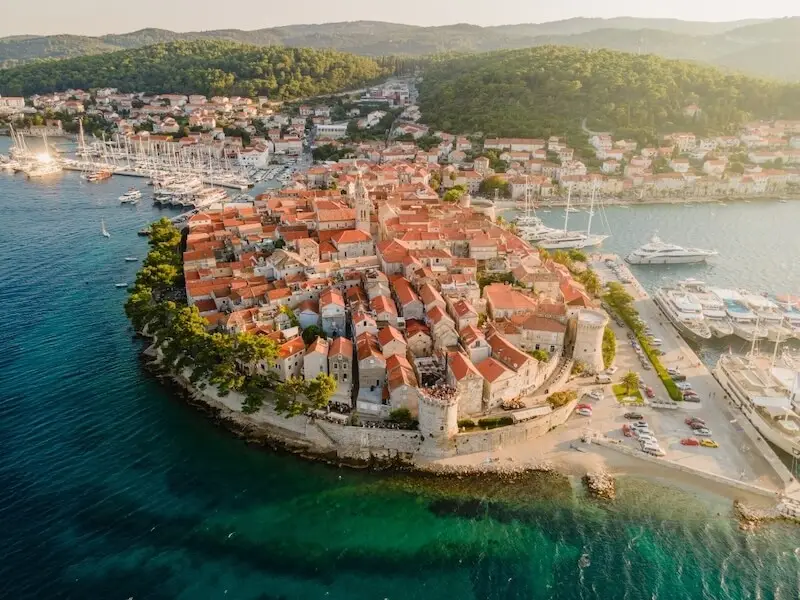
How to Get Around the Croatian Islands
Below are the main ways to travel between islands, along with when they work best. Each option might work best for your trip type, or a combination of them, but in peak summer it’s best to book in advance.
1. Taking Ferries in Croatia
Ferries are the foundation of island travel in Croatia. They operate all year, although timetables are more frequent in summer. Travellers usually board from Split, Dubrovnik, Brač, Zadar, Rijeka or Šibenik.
Ferries work great if you:
- Prefer an affordable option
- Want a slower and scenic journey
- Plan to travel with a car on a car ferry
Key operators include Jadrolinija for most major routes and Krilo for some faster passenger services. You can also buy tickets easily through apps like Ferryhopper, Ferryscanner, and BookAway.
Popular ferry routes in Croatia:
- Split to Stari Grad on Hvar
- Split to Supetar on Brač
- Split to Vela Luka on Korčula
- Zadar to Ugljan
During July and August, booking ahead is recommended as the spaces fill fast. You can book directly at ferry terminals or grab tickets online.
2. Taking Fast Catamarans in Croatia
Catamarans are fast passenger boats that connect the major islands directly. They are the quickest way to travel around Croatia’s island network, but also tend to be higher priced than the larger, slower ferries.
Fast Catamarans work well if you want:
- Short travel times
- A direct connection
- A reserved seat
Popular fast ferry catamaran routes in Croatia:
- Split to Hvar Town
- Split to Vis
- Dubrovnik to Korčula
- Dubrovnik to Mljet
Croatian fast catamarans usually cost more than ferries but save significant time. They often sell out in high season, so book well in advance, and maybe get a flexible ticket if you’re unsure.
3. Private Boat Charters in Croatia
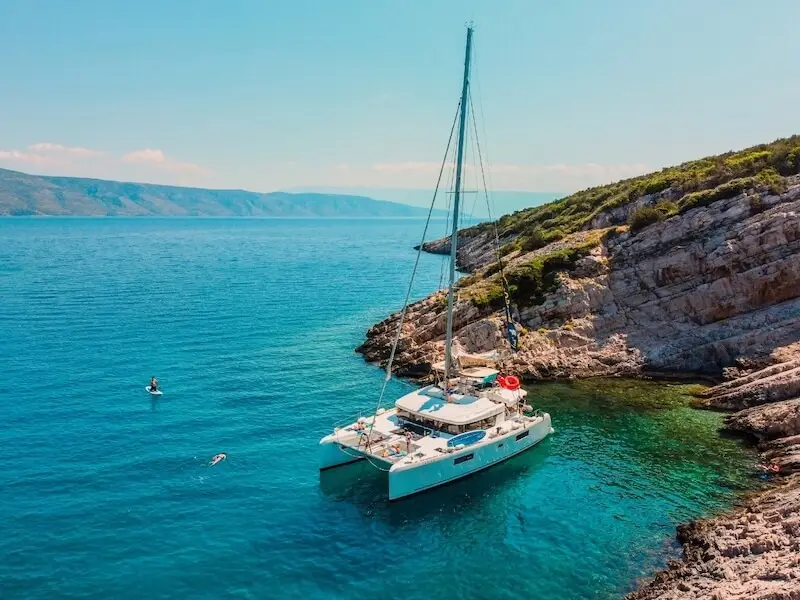
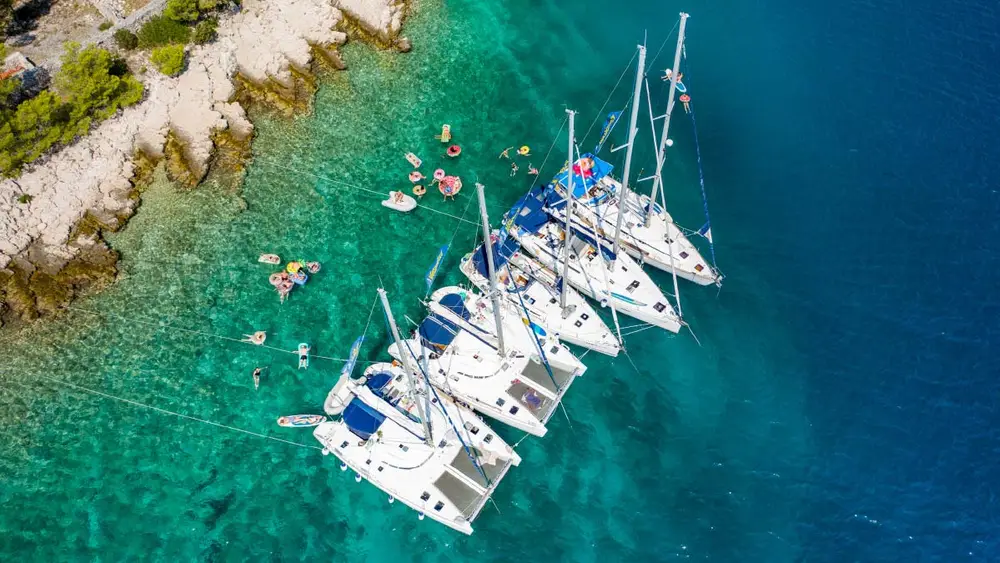
Private charters in Croatia offer complete freedom. You can travel to small islands, swim in quiet bays and plan your own route without relying on scheduled departures. These are amazing options if you have a sailing license, booking out an entire yacht with a custom route, or simply want to control all aspects of your journey.
Private yacht charters work well if you:
- Prefer privacy
- Want to visit hard-to-reach places
- Are travelling in a group
- Want flexibility with timing
- Desire a fully customised route
Travellers often use charters to visit the Pakleni Islands, the Blue Cave or hidden coves near Hvar, Vis and Brač. You will need to book far in advance for more yacht options and better pricing. By booking a private charter in Croatia, you’ll also need your sailing license, or hire a skipper and possibly a host for the week, and handle deposits, insurance, mooring fees, and extras.
4. Sailing Holidays and Small Ship Cruises in Croatia
Organised sailing trips are one of the simplest ways to explore multiple islands in one week. Everything is arranged in advance, which removes the stress of planning. It also means that you get the sailing experience without the hassle of the extra fees and processes.
These trips are ideal for travellers who want:
- A planned but not rigid itinerary
- Daily swimming and coastal stops
- No ferry queues, no cruise ship crowds
- Accommodation already organised
- An easy way to visit several islands
- A semi-social experience so you can meet others.
This is a popular option for first-time visitors who want a balance of adventure and comfort, who want to maximise their time around the Croatian islands, and those looking for the best value for their money.
5. Flights Around Croatian Islands
Only a few islands have airports. Flights are limited but can be useful for longer distances, for instance, flying from Zagreb to Split or Dubrovnik. But it’s something that’s not easy to get around the islands.
Main island airports in Croatia:
- Brač
- Lošinj
Flights are mostly seasonal and link the islands with Zagreb, Pula or nearby European cities.
6. Driving Around Croatian Islands
Some islands in Croatia connect to the mainland by a bridge, making driving a practical choice. But besides the small list below, it’s not ideal when you want to explore more islands. You can always rent a car or camper and take it on car ferries to many Croatian islands.
Bridged islands in Croatia include:
- Krk
- Pag
- Čiovo
- Murter
Driving works well for travellers staying several days on a single island. If you are travelling between islands, use Jadrolinija car ferries and arrive early in peak season.
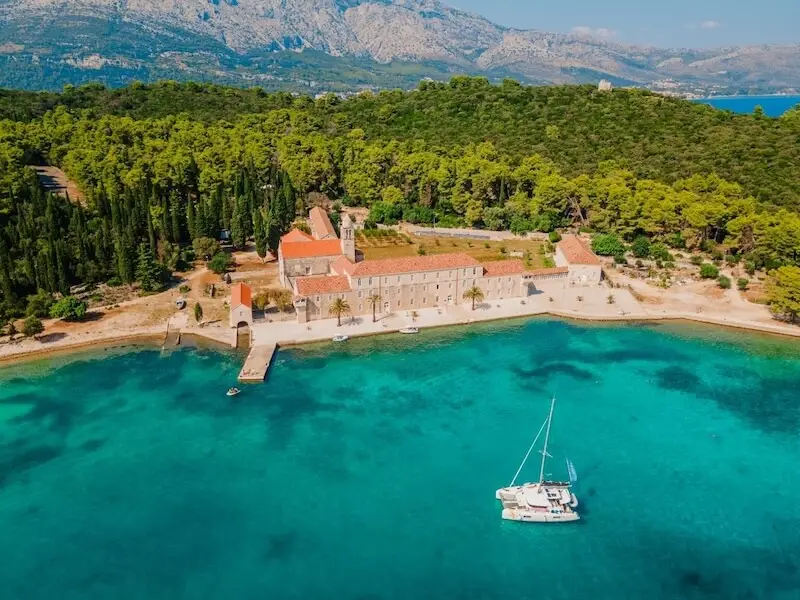
How to Get Around Once You Are on the Islands
Transport varies by island. Buses exist on many larger islands, but routes can be limited. Travellers often prefer independent transport. Some areas have Uber, but it’s better on the islands to find a taxi and agree on a price beforehand. And always carry cash, most transport around the islands only accepts cash.
Common transport options on Croatian islands:
- Scooter rentals on Hvar, Brač, Korčula and Vis
- Quad rentals around Croatian islands
- Renting a VW Beetle on Hvar or Mljet
- Bicycles and e-bikes on Mljet and Korčula
- Taxis or private drivers • Car rentals for longer stays
Scooters, quads, or VW Beetles offer the most freedom to explore beaches and viewpoints, but you’ll need an EU license or a moto license typically. Bicycles work well for quiet islands and nature routes.
Planning Your Island Hopping Trip in Croatia
A smooth trip depends on checking schedules and organising a clear route. Remembering these key items can reduce travel headaches and mishaps.
Things to consider:
- How many days you have
- Which islands suit your interests
- Ferry and catamaran timetables
- Accommodation availability in peak season
- Weather that may affect fast boat services
Key Croatian island planning tips:
- Book fast boats in advance during July and August
- Aim for morning departures, which are often more reliable
- Save offline copies of all tickets
- Keep some flexibility in your itinerary
Croatian Island Travel Tips for a Smooth Experience
- Check timetables regularly because routes change seasonally
- Book popular crossings early
- Travel light for easier movement on and off boats
- Enjoy local food and wine on every island
- Keep travel days flexible during windy conditions
- Book during shoulder months for fewer crowds (May/June and September)
Overview of Croatia’s Most Visited Islands
Here are some of the islands travellers include most often, and a good reference when researching which Croatian islands to visit:
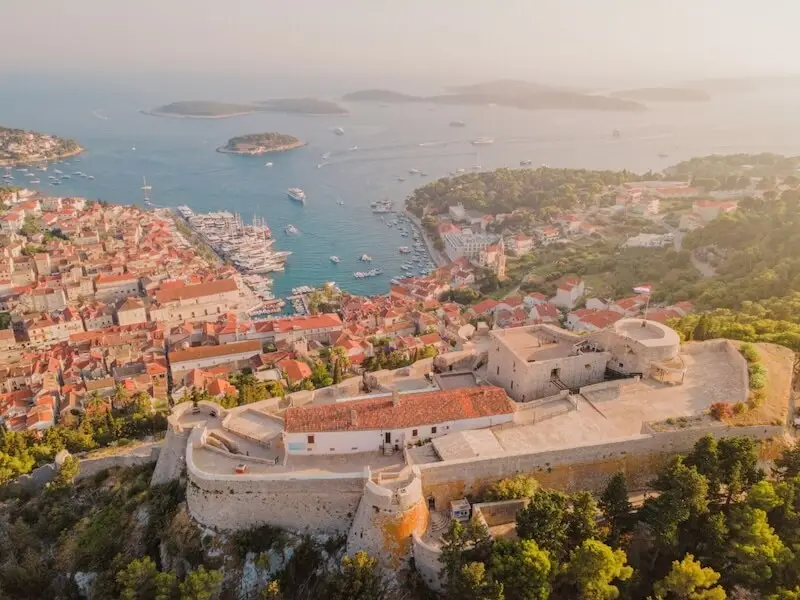
- Hvar: nightlife, wine, beaches, viewpoints
- Brač: Zlatni Rat beach, water sports, limestone quarries
- Korčula: medieval town, vineyards, culture
- Vis: remote atmosphere, limited connections, Blue Cave access
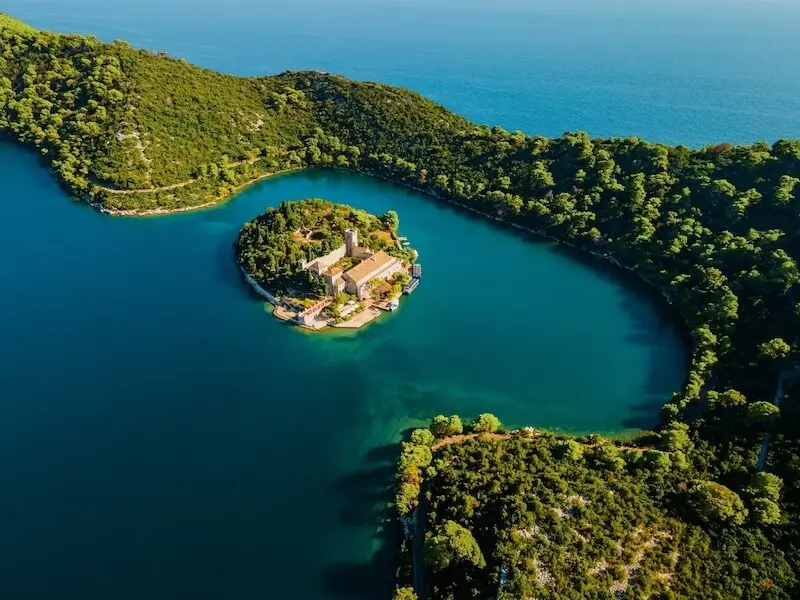
- Mljet: national park with two saltwater lakes
- Šolta: peaceful villages, close to Split
- Pag: rugged scenery and party spots, also accessible by bridge
Each island offers a different style of holiday or different modes of transport to them, which makes route planning important.
Sustainable Travel in the Croatian Islands
Visitors can help protect the Adriatic by making simple choices. We’re adamant about protecting and respecting the seas, and it is one of our most important beliefs while sailing Croatia. Help preserve Croatia’s islands for future visitors and future marine life.
Sustainable travel habits in Croatia:
- Refill water bottles at public fountains (these are clean!)
- Avoid single-use plastics
- Support local cafés, winemakers and small family businesses
- Respect protected areas in national parks
- Be mindful of marine life
- Bring a few tote bags for shopping
Frequently Asked Questions About Getting Around Croatia’s Islands
What is the best way to travel between Croatian islands?
Most travellers use ferries or fast catamarans. Ferries are more affordable while catamarans are faster. If you’re on a Croatia sailing holiday, you won’t need to worry about that at all.
Do I need to book Croatia ferry tickets in advance?
Yes, during peak season in July and August, it is recommended. Fast catamarans often sell out the quickest,
Which Croatian port is best for island hopping?
Split has the most frequent connections to Hvar, Brač, Vis, Šolta and Korčula. You can also start in Dubrovnik if you want to visit Mljet and Korčula.
How long is the journey from Split to Hvar?
The fast catamaran takes about one hour. The car ferry to Stari Grad takes closer to two hours.
Are there flights between the Croatian islands?
Only a few islands have airports and services are limited. Most travellers rely on sea transport. Once upon a time there were seaplanes, but those were shut down.
What is a good one-week Croatia island-hopping route?
A popular route is Split to Dubrovnik to visit Hvar, Korčula, and Mljet. Or Dubrovnik to Split in reverse order. For quieter destinations and shorter trips, consider Vis and Šolta.
Can I join a sailing trip instead of using ferries?
Yes. Organised sailing holidays offer an easy and enjoyable way to visit several islands without managing your own logistics. This means that your transport, accommodation, route, and sometimes meals are sorted.
What are the best ways to sail Croatia?
Travellers can choose between private charters, day trips, bareboat rentals or hosted sailing holidays. MedSailors offers week-long island hopping trips and premium catamaran cruises in Croatia that combine swimming stops, island visits and relaxed onboard living, which makes it an easy option for first-time sailors, couples, or groups.
Looking for a simple way to experience Croatia’s islands?
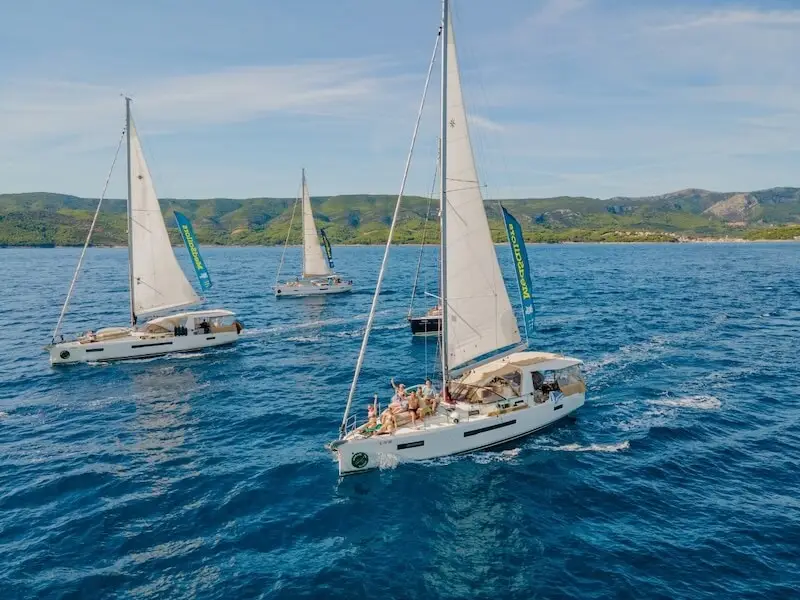
If you prefer a planned island hopping route with daily coastal stops and a professional skipper, MedSailors offers 7-day sailing holidays that connect many of the islands listed in this guide. It is a comfortable and convenient way to enjoy a full Croatian sailing experience and get the most out of your trip. Whether you want an adventurous social small group tour or more comfort and inclusions on a premium tour, there’s an experience for everyone.
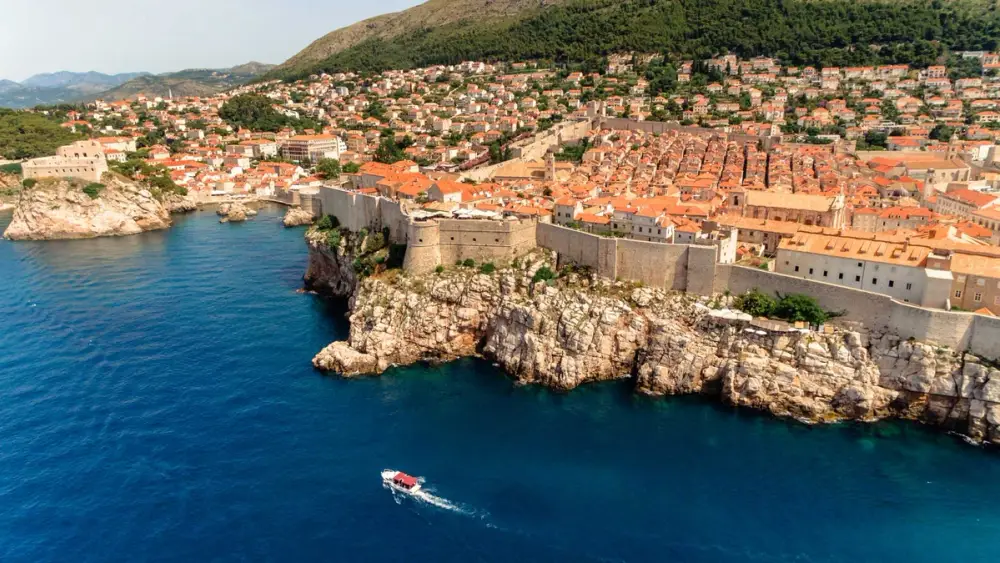
Dubronvik Old Town

Visit Croatian Vineyards
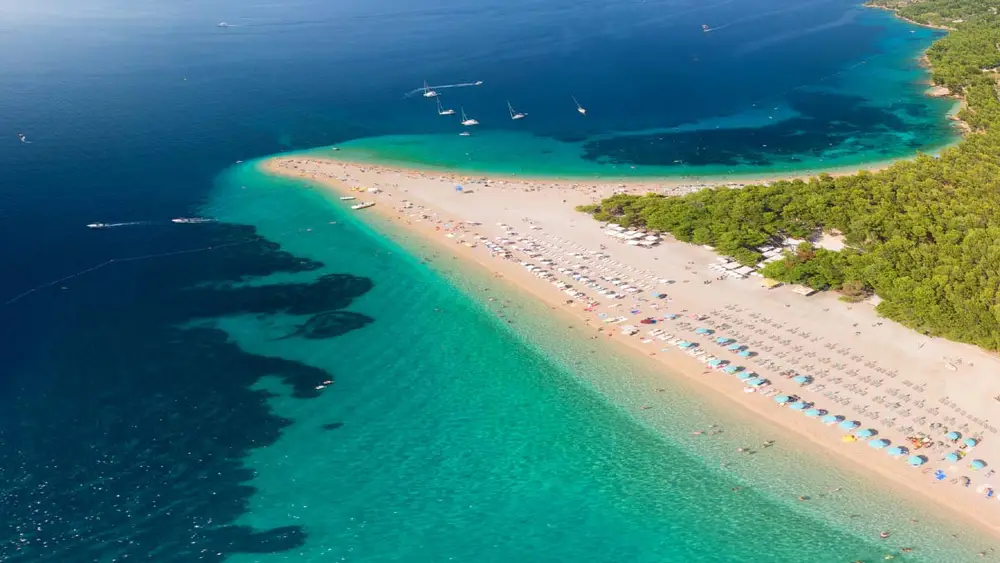
Zlatni Rat beach

Learn to sail

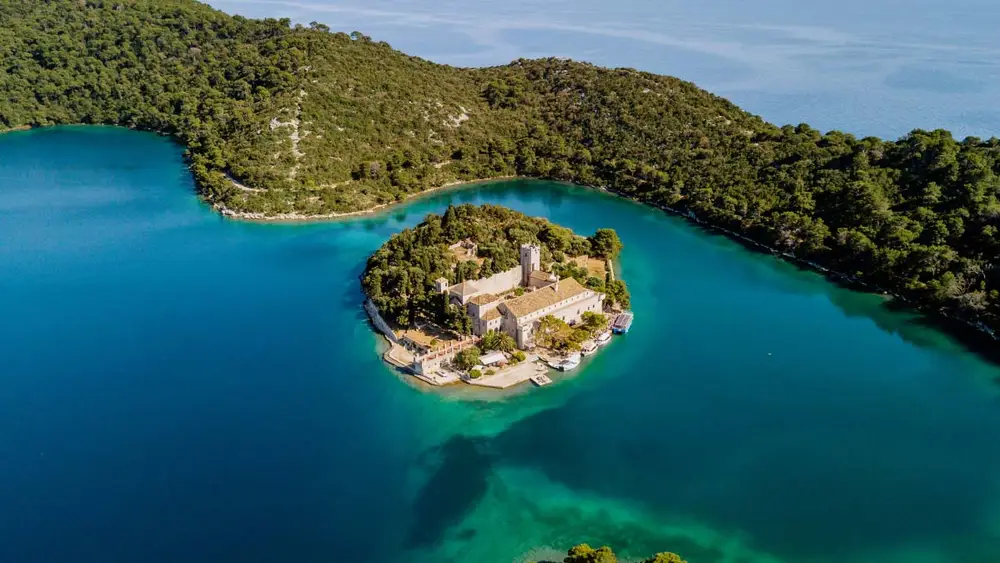
Mljet National Park

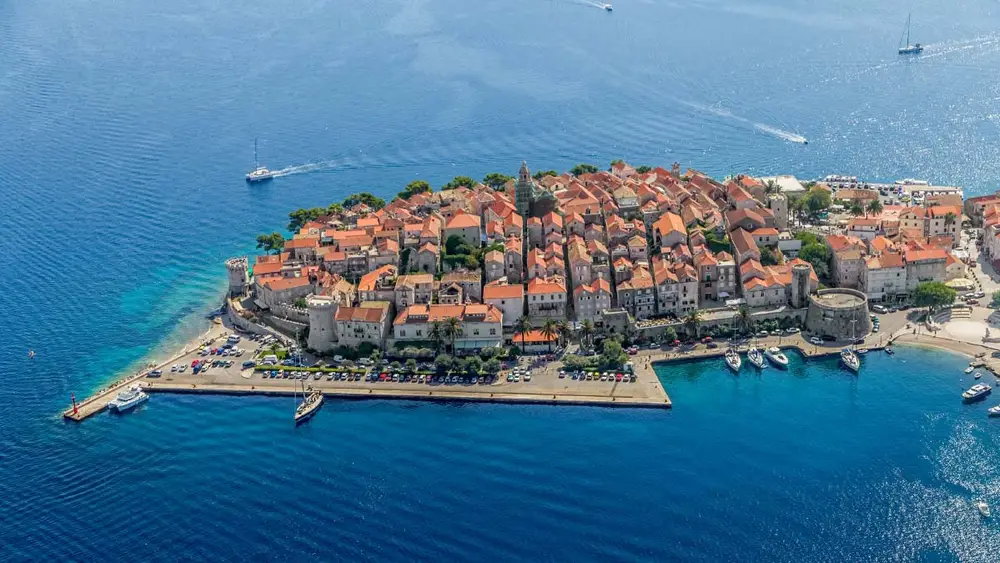
Korcula Old Town
Croatia
 Departs Split & Dubrovnik
 May - September
 From €966 per person
 7 days
Experience the world’s most popular sailing destination. With three routes to suit any style, choose to spend more time exploring Croatia's beauty from land or sea.