
First Time in Europe: 10 Places That Feel Easy, Safe & Budget-Friendly
By Ryan Brown published on 3 March 2026
Your first Europe trip is basically a choose-your-own-adventure, but it shouldn't be a test in logistical mastery. You can do big, famous cities and tick off the classics, or you can build a route that’s more artsy, cultural, and social. The best first-timer destinations are the ones that are easy to get around, simple to navigate on public transport, and friendly for travellers who are still learning the rhythm of European travel.
This list focuses on places that feel straightforward and comfortable, with loads to do on a normal budget. Think walkable centres, good-value eats, and social energy without needing to go fully off-grid or spend like you’re on a luxury break.
Quick safety note: No city is perfect, but the places below are generally well set up for first-time visitors. Keep the basics tight: use a crossbody bag in busy areas, watch your stuff on public transport, explore with friends, and stick to well-lit routes late at night.
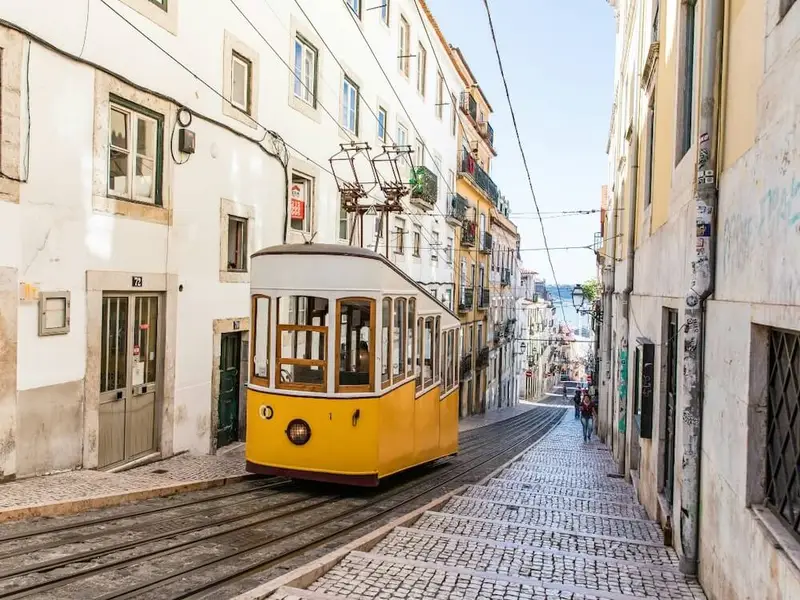
1) Lisbon, Portugal
Lisbon is one of the best value city breaks in Western Europe, with proper food, great nightlife, and sunset views that never get old. The centre is made for wandering, and the transport is straightforward once you get your bearings. You can mix culture with casual beach missions in Cascais or a day trip to Sintra without complicated planning. For budgets, it’s the kind of place where you can eat well without feeling like every meal is a splurge.
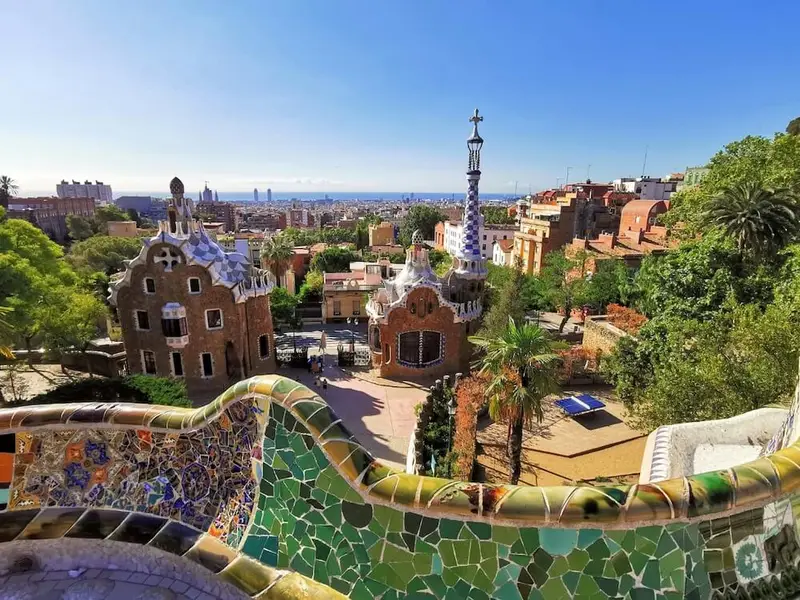
2) Barcelona, Spain
Barcelona is the classic “culture plus beach plus nights out” first-timer choice, and it earns the hype. You can do Gaudí sights in the day, hit tapas bars at night, and still squeeze in a swim before dinner if you time it right. The city is busy in summer, but the pay-off is huge energy and an easy social scene. Keep your valuables zipped in crowded areas and you’ll feel comfortable moving around.
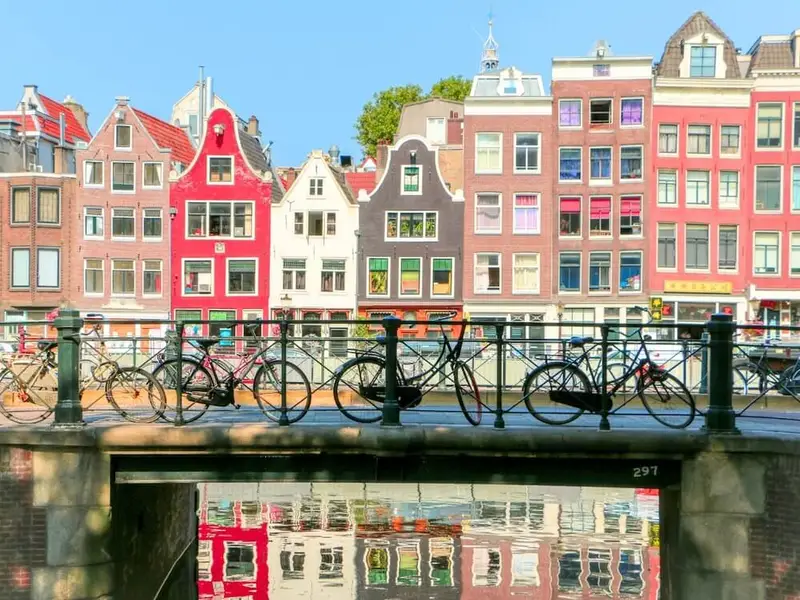
3) Amsterdam, Netherlands
Amsterdam is ridiculously easy for first-timers because it’s compact, walkable, and linked up with simple public transport. You can bounce between canals, museums, and cosy cafés without ever feeling far from home base. It’s ideal for a long weekend, but it also works as a smart stop on a bigger route because connections are smooth. Book accommodation early in peak season because prices rise quickly.
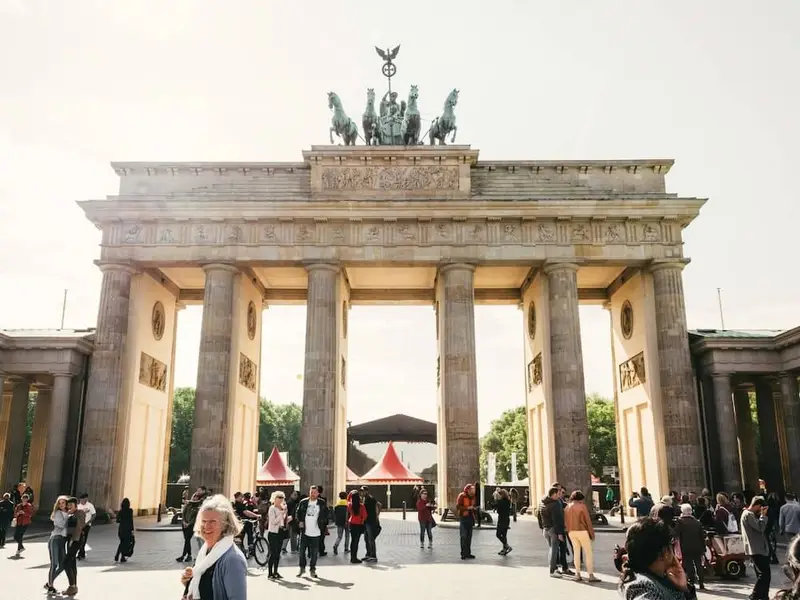
4) Berlin, Germany
Berlin is one of Europe’s best cities for doing culture without it feeling stiff or staged. You’ve got world-class museums, street art, and history everywhere, plus nightlife that can go as big or as chilled as you want. It’s also great value compared to many Western European capitals, especially for food and nights out. Most areas travellers spend time in are busy and well-lit, which helps it feel easy to navigate.
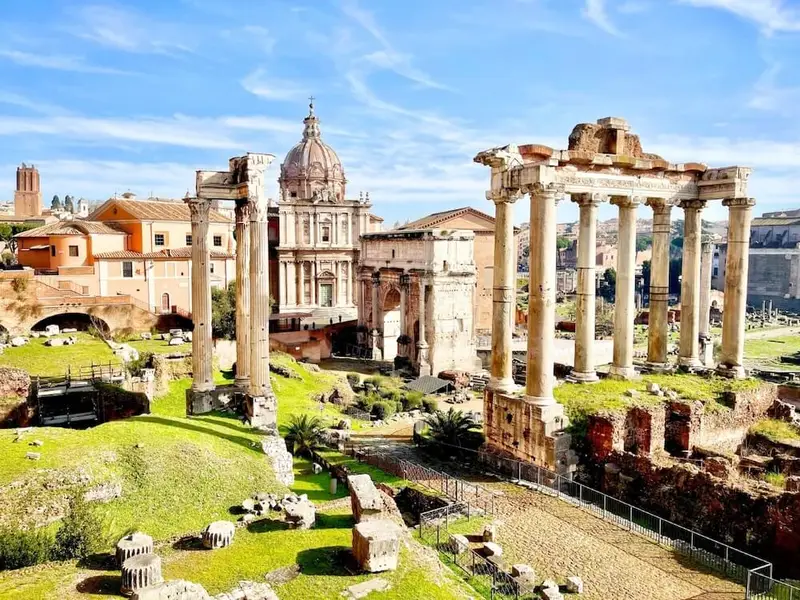
5) Rome, Italy
Rome makes your first Europe trip feel instantly iconic, even when you’re just walking to grab a coffee. You can hit the big sights early, then spend the rest of the day roaming neighbourhood streets and eating well at a slower pace. Public transport exists, but you’ll do a lot on foot, so it’s surprisingly simple once you commit to exploring one area at a time. Expect queues, so booking major attractions in advance can save both money and stress.
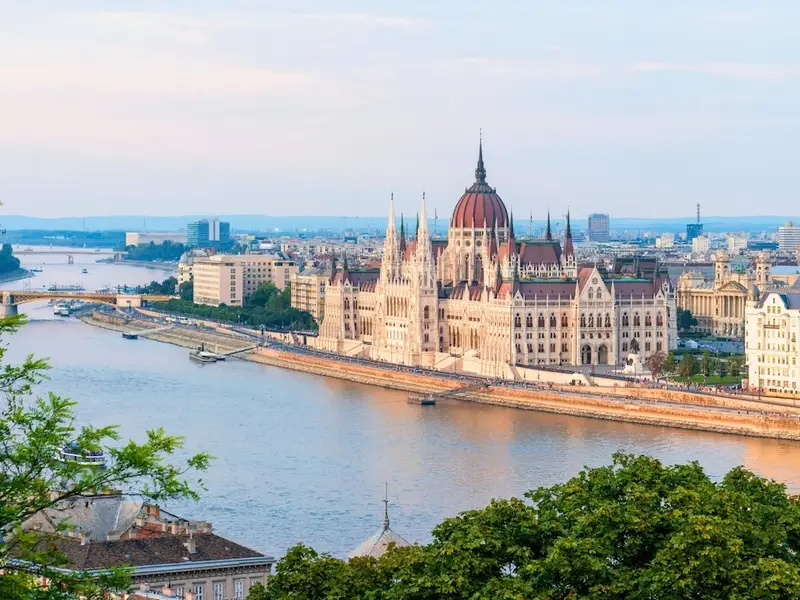
6) Budapest, Hungary
Budapest is the budget-friendly city that still feels like a main character, with grand architecture and river views that look expensive even when your daily spend isn’t. The thermal baths are perfect for a reset day, and the city has a famously fun nightlife scene. It’s easy to get around on public transport, and you can keep costs low with simple local meals and walking routes. If you want a first trip that feels big without draining your bank account, it’s a strong pick.
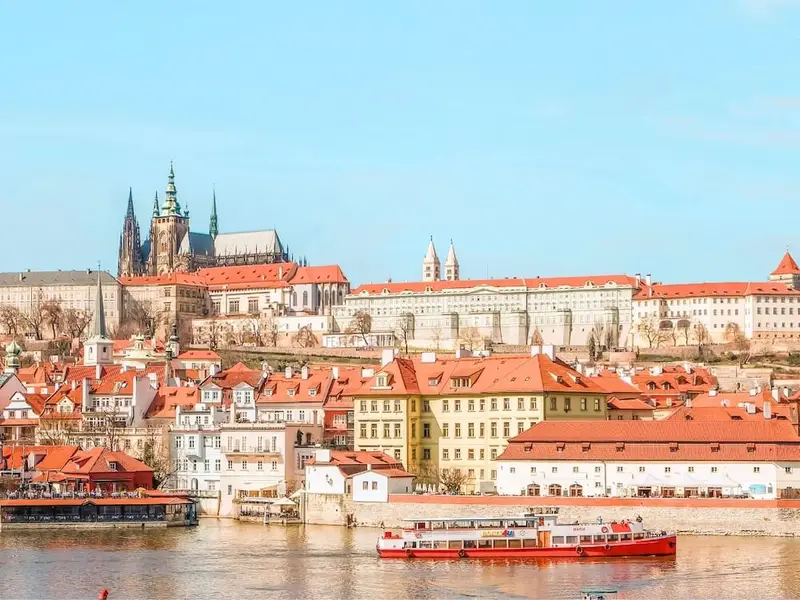
7) Prague, Czechia
Prague looks like a fairytale, but it’s also straightforward for first-timers because the centre is highly walkable. You can do castle views, riverside strolls, and hearty meals that keep things budget-friendly. It’s a great option if you want a beautiful European city that doesn’t require loads of planning to enjoy. Watch for tourist-trap restaurants in the busiest areas and you’ll get much better value.

8) Athens, Greece
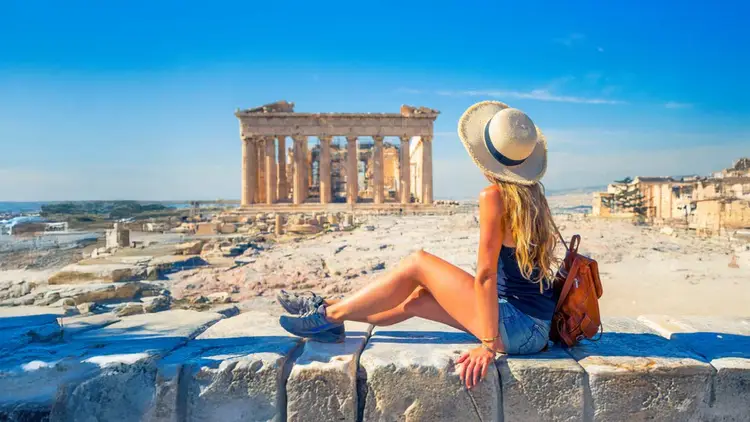
Athens is a brilliant first-timer gateway because it’s a proper capital with huge history, but it also points you straight at island time if you want to add beaches later. You can spend a day or two doing ancient sites, rooftop bars, and neighbourhood food spots, then slow the pace with coastal day trips. It’s easy to get around if you base yourself in a central area and group sights by neighbourhood. Keep an eye on your stuff in crowded spots, especially around major attractions, and you’ll feel comfortable exploring.
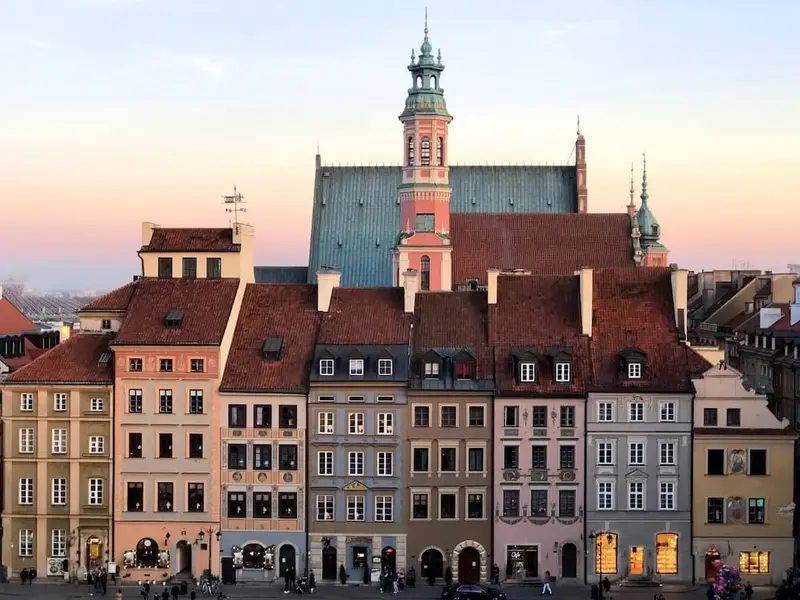
9) Warsaw, Poland
Warsaw is one of Europe’s most underrated first-timer capitals, especially if you want great value without sacrificing atmosphere. The Old Town is postcard-pretty, but the real fun is in neighbourhood bars, modern museums, and a food scene that’s way better than people expect. It’s also a smart base for a longer trip because accommodation and eating out can be noticeably cheaper than Western Europe. Come for the history, stay for the late nights, pierogi breaks, and the feeling you’ve found somewhere your mates haven’t rinsed on Instagram yet.
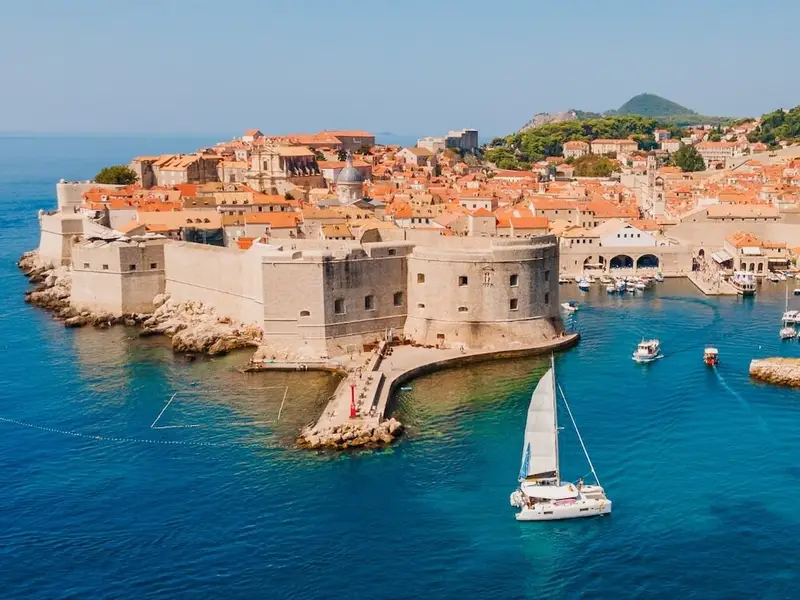
10) Dubrovnik, Croatia
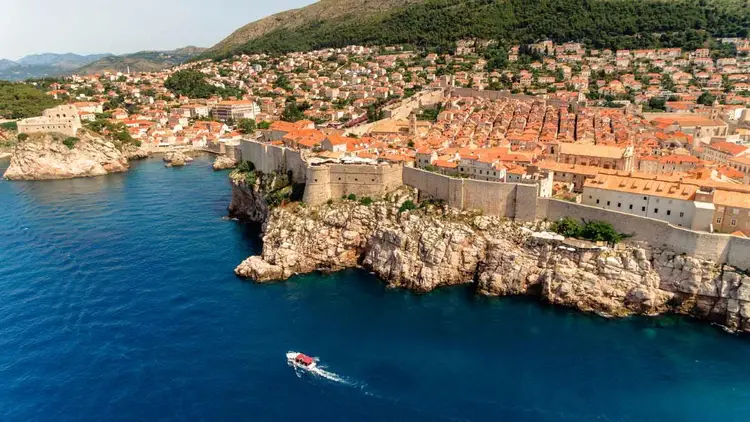
Dubrovnik is dramatic in a way that makes you stop mid-walk and actually take it in. Or if you're Game of Thrones obsessedThe old walls, the sea views, and the polished stone streets feel unreal, especially in the golden hour. It can be crowded and pricier than other parts of Croatia, so it’s best as a shorter stop or paired with quieter islands and bays nearby. If you want it to feel easier and better value, go early, go late, or stay just outside the centre and walk in.
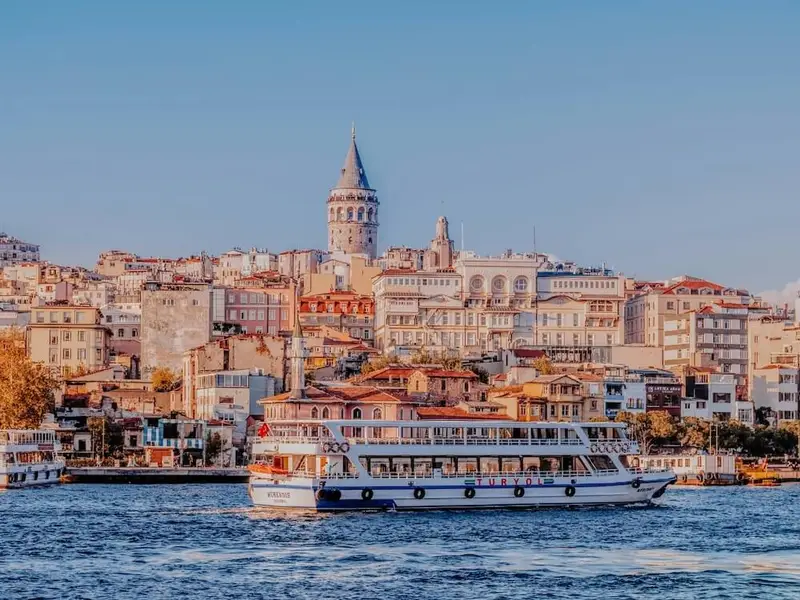
Bonus wildcard: Istanbul, Türkiye
If you want your first Europe trip to feel a bit more adventurous, Istanbul is an elite curveball at the start or end of your route. It’s rooftop sunsets, ferry rides, late-night street food, and neighbourhoods that change mood every few streets. You can do big-ticket culture like mosques, bazaars, and palaces, then spend the rest of your time café hopping and getting lost on purpose. It’s often great value for food and local transport, which makes it easier to say yes to spontaneous plans.

A quick note on festivals (because Europe does them properly)
If your first trip has even a tiny “I want stories” vibe, time it around a festival. Europe’s summer festival calendar is stacked, from big-name events like Oktoberfest and Carnival to music festivals like ULTRA Europe and local summer celebrations that turn ordinary towns into full-on parties. Festivals are a great starting point to build an itinerary around as you'll have dates already decided for you.
How to stitch these into a first-timer route without burning out
For a first Europe trip, the sweet spot is usually 2–4 stops, with enough breathing room to actually enjoy each place. A simple structure is one big culture city, one nightlife-friendly city, and one coastal stop to slow things down at the end. If you’re flying long-haul from the US, Australia, or New Zealand, staying longer in each place makes the travel time feel worth it and keeps the trip feeling easy.

Social travel in Europe that’s easy, fun, and budget friendly
If you like the idea of a trip that feels social without having to plan every detail, look at group-style adventures that bundle the boring bits together. It often works out budget-friendly because costs are shared, you avoid surprise spending from last-minute decisions, and you cut down on stressful transit days.
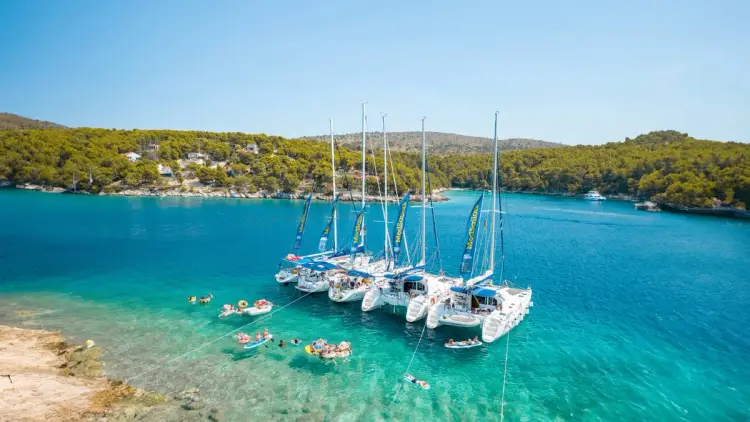
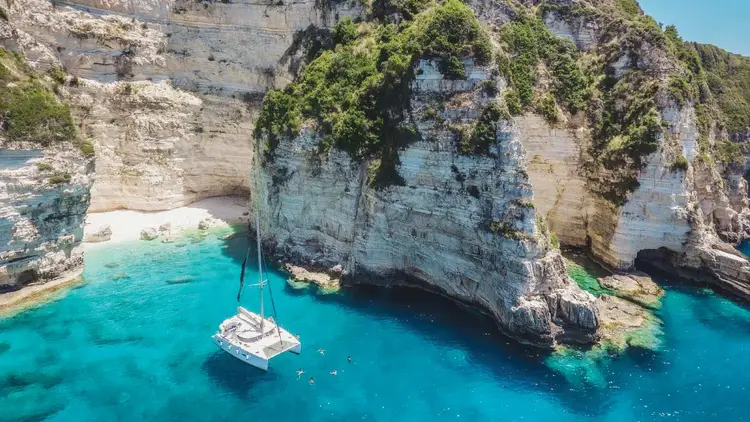
That’s where MedSailors-style island hopping in Greece or Croatia fits naturally for first-timers. You get a simple one-week plan, a ready-made friend group, and a mix of swim stops, coastal towns, and nights out, without it feeling like a strict guided tour.
FAQs: First Time in Europe
Is Europe safe for first-time travellers?
Generally, yes, especially in well-touristed cities with strong public transport and busy central areas. The most common issues are pickpocketing and tourist scams rather than serious danger, so staying aware in crowds is usually the main thing. Keep valuables zipped, use lockers in hostels, avoid leaving phones on café tables, and trust your instincts at night.
What are the easiest places to visit in Europe for the first time?
Cities with walkable centres and simple transport tend to feel easiest, like Amsterdam, Prague, Lisbon, and Budapest. Athens is also very doable for first-timers if you plan by neighbourhood. Dubrovnik is straightforward once you’re there, but it’s best with a little advance booking in summer.
How many days do I need for my first Europe trip?
From the UK, 7–10 days is enough for 2–3 places. From the US, Australia, or New Zealand, 10–14 days usually feels better so you’re not rushing after long flights. A good rule is 3–4 nights per stop.
Should I do one country or multiple countries in Europe?
For first-timers, fewer stops usually means a better experience. Two to three destinations gives you variety without spending half your holiday in transit. Multi-country routes work best when your travel legs are short and direct.
How do I keep Europe budget-friendly without missing out?
Looking for the best budget-friendly ways to travel Europe? Travel in May, June, or September for better value and fewer crowds. Book key accommodation early, use public transport, and balance one or two paid “big moments” with free stuff like viewpoints, parks, walking routes, and local neighbourhoods. Eat well on a budget by choosing casual local spots and markets over tourist-strip restaurants.
What’s the cheapest way to travel around Europe?
Buses are often the cheapest, especially in Central and Eastern Europe, but they take longer. Budget airlines can be good value for longer jumps if you pack light. Trains are brilliant for comfort and convenience when they save time and get you city-centre to city-centre. If you're only doing small trips, ferries can be a great way to access islands. For the best tour value, including accommodation and food, a sailing holiday is the top budget choice.
Where should I go for beaches, nightlife, and culture in one first-timer trip?
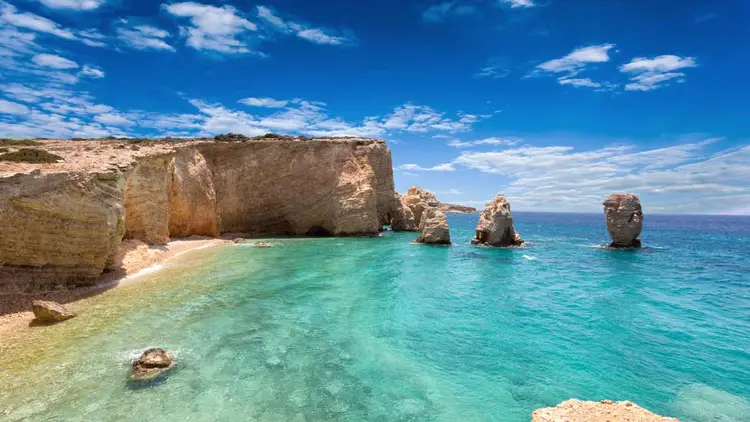
Athens plus the Greek islands is a strong mix because you can start with history and end with swim days and nights out. Dubrovnik, plus the Croatian islands, is another great combo for old-town atmosphere, beaches, and social evenings. If you want a festival angle, build dates around one major event and let that shape the route.
What should I do about festivals on my first Europe trip?
If a festival is a priority, book accommodation early and consider staying slightly outside the centre to save money. Plan one lighter day after the biggest event so your trip doesn’t turn into a recovery marathon. Festivals are also a great way to meet people fast and give your itinerary a clear anchor.

Ryan Brown
Ryan is a corporate escape artist with a severe disdain for the mundane, a hammock addict, adrenaline junky, and experience collector. He uses various mediums to express the beauty of the world to others, hoping to connect people to nature, while showing why we should preserve it. Ryan has worked for MedSailors for 11 years, and is currently Media Manager.