
Essential Croatia Travel Tips: What to Know Before You Go
By MedSailors Crew published on 19 December 2025
What I Wish I Knew Before Travelling to Croatia
Croatia looks effortless online. Clear water, historic towns, island sunsets. But there are a few things that are useful to know before you arrive, especially if it is your first time visiting.
This quick-glance guide covers the practical stuff people often miss. When to go, how to get around, what things really cost, and how to avoid common mistakes. It's directly from travellers who have spent real time here, our team. After all, Medsailors has been sailing in Croatia for 15 years.
Whether you are planning island hopping, a city break, or a longer summer trip, these Croatia travel tips will help you plan smarter and travel better.
Currency, Costs, and Tipping in Croatia
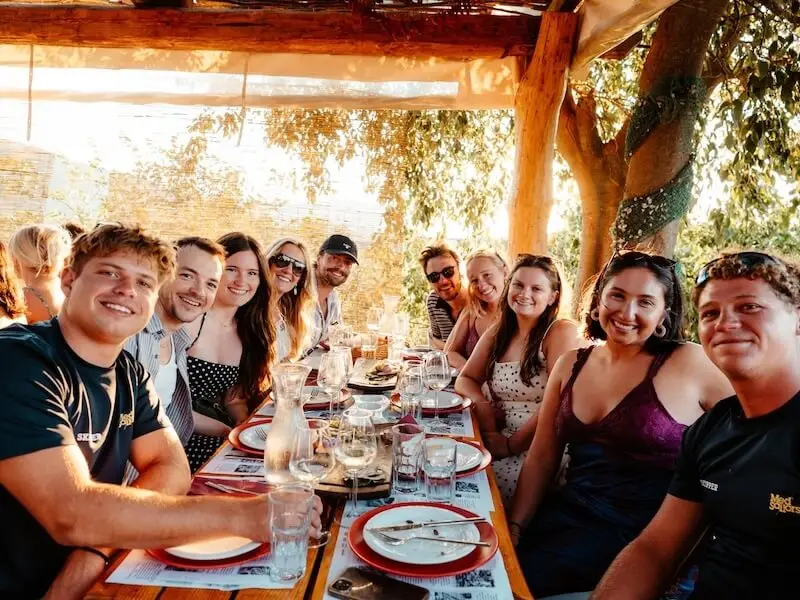
Croatia uses the Euro (€). It officially adopted the currency in 2023, which makes travelling here easier if you are coming from elsewhere in Europe.
Card payments are widely accepted, including contactless. That said, it is still worth carrying some cash for small cafés, bakeries, ferries, and local bars on the islands. Our motto internally for travelling around the Croatian islands is, "cash is king".
Typical costs
- A casual meal: €10–15
- Dinner at a mid-range restaurant: €20–30
- Coffee: €2–4
- Large Beer: €3+
- Ferry between islands: varies by distance and season, average €25-€50
Dubrovnik, Hvar, and Split are the most expensive places, especially in July and August. Smaller islands and inland towns are noticeably better value. usually restaurants by the seaside or near an attraction are more expensive as well.
Tipping
Tipping is not compulsory but is appreciated.
- Restaurants: around 10 percent if service is good
- Taxis and bars: rounding up is normal
Service is rarely added automatically, but always check your bill first.
When Is the Best Time to Visit Croatia?
Timing matters more than people expect. Some months can be rainy, others blisteringly hot and dry. And some months are better for buzzing travel energy or avoiding the crowds.
Best months to visit:
- May to June and September to early October
Warm weather, fewer crowds, easier ferry travel, and better prices. This also means less people, so if you want big party vibes peak summer is better.
Peak season
- July and August
Hot, busy, and more expensive. Islands and old towns can feel crowded by midday, especially where cruise ships stop. But if you aim to meet people, party, and socialise, this is a good time.
Winter
Quiet and local. Coastal towns slow down, but cities like Zagreb come alive with Christmas markets and cultural events.
The coast has a Mediterranean climate. Inland areas are cooler, especially in winter. Pack accordingly if your itinerary covers more than one region.
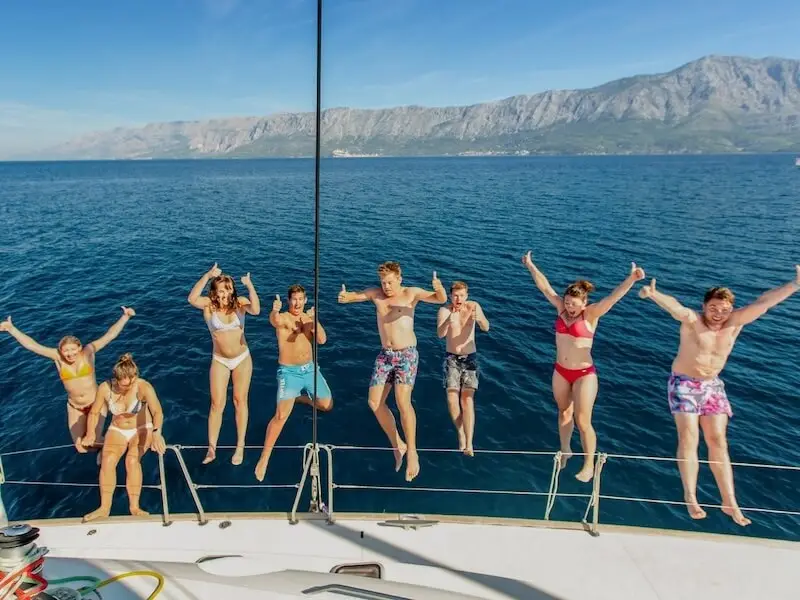
How to Travel Around Croatia
Croatia is easy to travel, but distances can be deceptive. And the availability can fluctuate based on season. We've already put together an extensive guide to getting around the Croatian islands, but here is a quick breakdown.
Buses
Reliable, affordable, and the main way to travel between cities. Routes like Zagreb to Split or Split to Dubrovnik run frequently.
Ferries
Essential for island hopping. Jadrolinija is the main operator, with extra services added in summer. Book ahead in peak season.
Car hire
Great for flexibility, especially in Istria or if you want to visit smaller beaches and national parks. Motorways are toll roads.
Trains
Limited but useful around Zagreb. Slower than buses for most routes.
Croatia rewards slower travel. Trying to see too much in a short time is one of the most common mistakes.
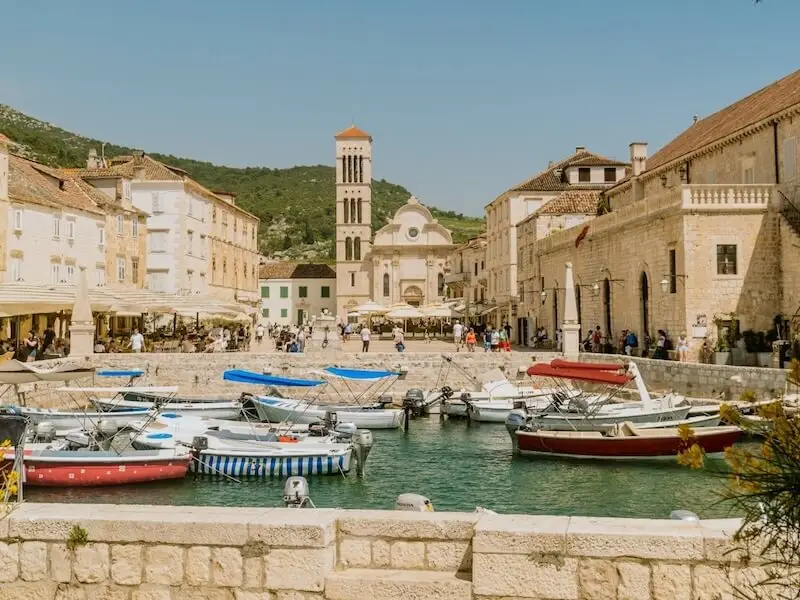
Where to Go in Croatia
Croatia is one of the most popular destinations in Europe for good reason. Whether you're chasing Game of Thrones locations, looking for the best islands in the Mediterranean, or just aiming for an unforgettable summer escape, it has it all. Our favourite locations span the stunning Dalmatian coastline from Split to Dubrovnik, but there are hundreds of must-visit places in the country.
Croatian Cities Worth Visiting
- Split: Historic centre built inside Diocletian’s Palace, great base for island hopping trips. Tripadvisor even rated it as one of its top destinations to visit recently.
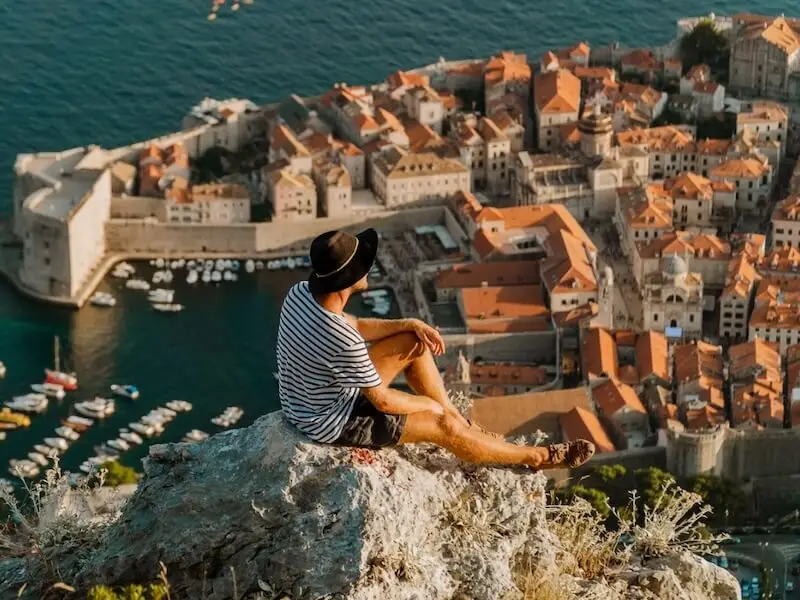
- Dubrovnik: Famous old town walls, best enjoyed early morning or late evening
- Zagreb: Café culture, museums, and a strong local food scene, university vibes
- Pula: Ancient Roman Amphitheatre and historic charm surrounded by turquoise coastline
Croatian Main Islands to Visit
- Hvar: Social, lively, and polished
- Brač: Beaches, swimming, and quieter towns
- Korčula: History, wine, and a slower pace
Croatian National Parks to Visit
- Plitvice Lakes: Walkways over turquoise lakes and waterfalls
- Krka: Waterfalls and river swimming
- Mljet: Forests, lakes, and cycling trails
Smaller towns like Šibenik and Zadar are often overlooked, and well worth the time if you can fit these in.
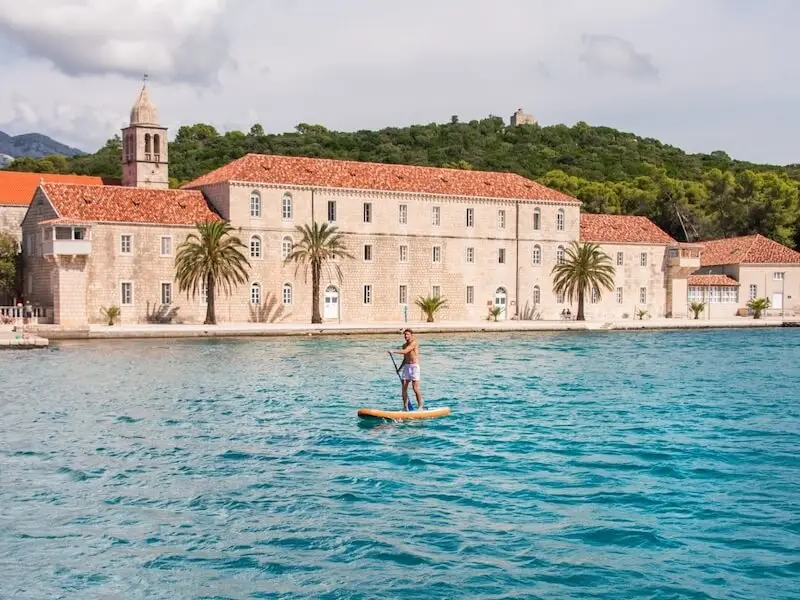
Language and Local Etiquette
English is widely spoken, especially along the coast and in tourist areas. Learning a few Croatian words still goes a long way, and is greatly appreciated by the locals.
Useful phrases:
- Dobar dan – Good day
- Hvala – Thank you
- Molim – Please or you’re welcome
- Pivo – Beer
Croatians value good manners, direct communication, and taking time over meals. Dress modestly in churches and religious sites. Some places, such as monasteries, require you to be fully covered. And other towns or islands ban swimwear and open carry containers (alcoholic drinks) from the town centre. Swimwear belongs at the beach, not in town centres.
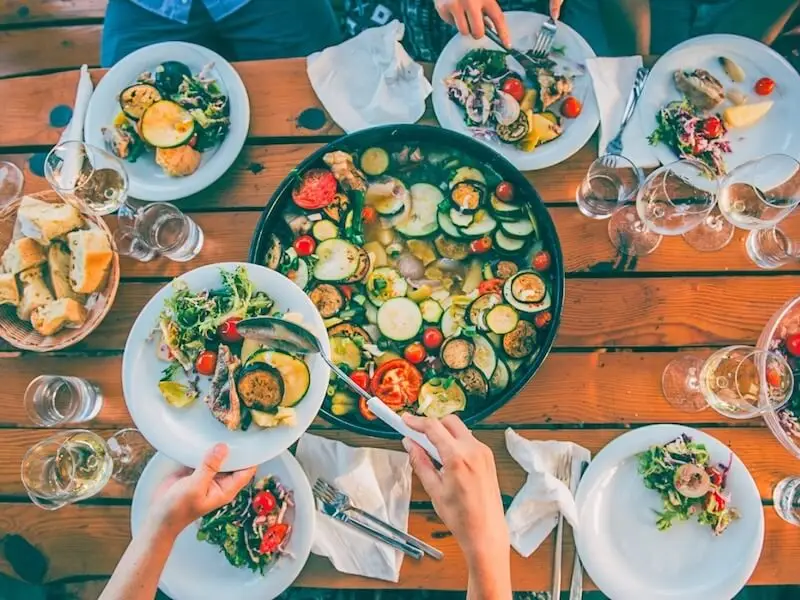
Best Food and Drink in Croatia
Food varies by region, but Croatian cuisine is one to fall in love with. Each region has specialities, and even some islands have their own. Truffle in Istria, ham in Dalmatia, islands and their cuttlefish risotto. We have a tasty guide to the best Croatian food, but below are some of our favourites.
On the coast
Grilled fish, calamari, octopus, and seafood risotto are common. Fresh and simple is the rule.
Inland
Heavier dishes, slow-cooked meats, and stews. Peka is a traditional dish cooked under a metal lid and usually needs to be ordered in advance.
Wine
Croatia also has a strong wine culture, particularly in Istria and Dalmatia. Islands like Hvar have world-renowned vineyards, like the UNESCO heritage winery you can visit on our Dubrovnik Voyager. Coffee is also taken very seriously, but don't expect alt-milks on the islands. And sitting down for one drink can easily turn into an hour and a few pints.
Meals are unhurried. Island life is slower. Enjoy them properly.
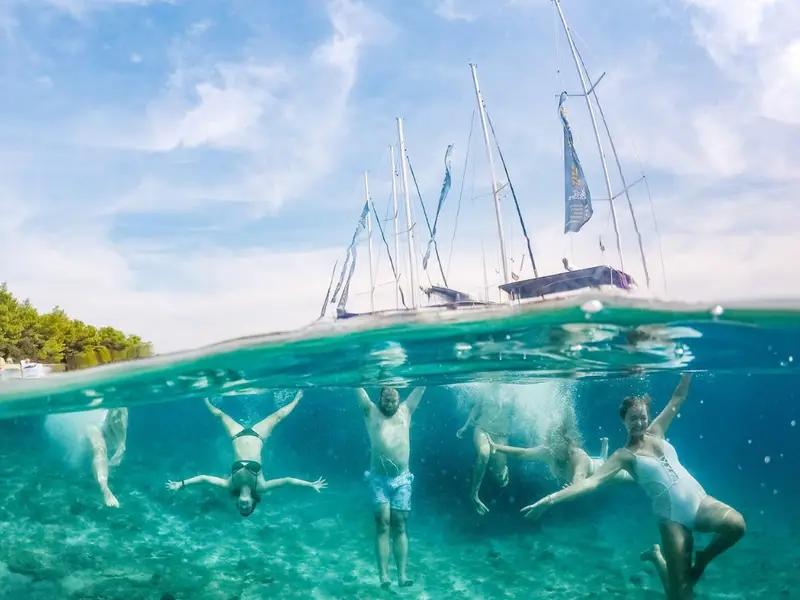
Croatian Beaches, Islands, and Water Activities
Most Croatian beaches are pebbled, not sandy. Water shoes are useful, especially for swimming and snorkelling, as many bays have sea urchins or sharp rocks.
Popular beach and island activities include:
- Snorkelling and diving
- Kayaking along the coast
- Paddleboarding and sailing
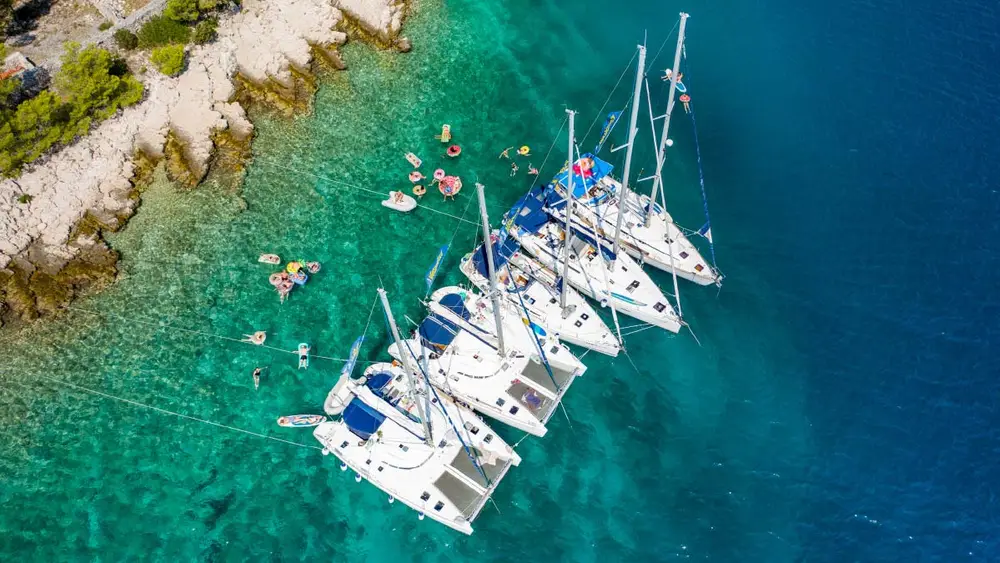
- Island hopping by boat
- Watersports
- Coastal hiking and outdoor activities
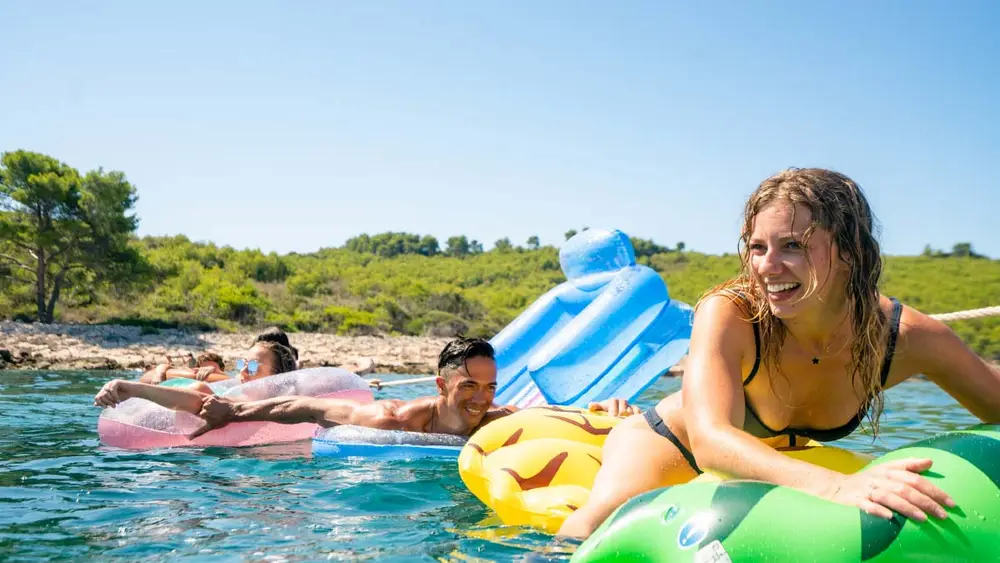
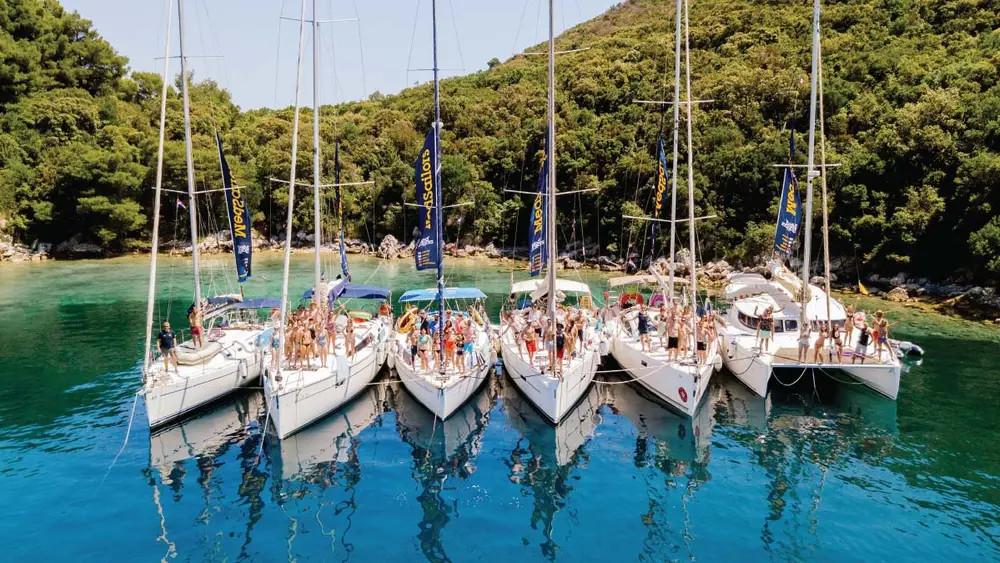
Many of the best swim spots are only accessible by water, which is why sailing and boat trips are so popular here. There are thousands of islands or islets that don't have easy transport to them, which makes a Croatian island-hopping trip ideal for discovering the islands.

Music and Festivals in Croatia
Croatia’s summer months are packed with music and cultural festivals, especially along the coast. Many events take place outdoors, in historic towns or near the sea, which gives them a distinctly social feel. Even islands have their own fishing festivals celebrating their long fishing traditions.
Electronic music is the biggest draw. Ultra Europe in Split is one of the country’s largest festivals, bringing international DJs each July. Popular islands like Hvar and Pag also host regular DJ nights and beach parties throughout the season.
Alongside big music events, Croatia has a strong cultural calendar. The Dubrovnik Summer Festival features live music, theatre, and performances set within the old town, while smaller coastal towns run local festivals celebrating food, wine, and regional traditions.
If you are travelling during July or August, expect higher prices and busier ferries around festival dates. Booking accommodation and transport early makes a big difference. Or booking a tour that includes festival access and exploration, like our Ultra Festival Sailing Tours.
Croatia Safety, Health, and Travel Insurance
Croatia is very safe by European standards, and often rated one of the safest countries in Europe. Violent crime is rare. Pickpocketing can happen in crowded areas, particularly in summer, but it's not a trend.
Healthcare or hospitals are good, and pharmacies are easy to find for small inuries or needed medication. Travel insurance is strongly recommended, especially if you plan on boating, hiking, or renting vehicles.
The most important thing is to explore smart, don't do anything that seems dangerous, and try to be smart about your drinking. Usually, if an unsafe situation was to arise, it is with other tourists. That's why it can be safer to travel in groups while in Croatia or Europe in general.
The emergency number for Croatia is 112.
Common Mistakes Travellers Make in Croatia
- Underestimating travel time between places
- Not checking ferry schedules in advance
- Trying to see too much in one trip
- Only visiting the most famous cities
- Not booking accommodation early in summer
Slowing down and staying flexible makes a big difference. But planning ahead is key to a smooth trip, and packaging experiences together makes sense to maximise your time.
Our Final Insights: Planning a Better Croatia Trip
Croatia is easy to love, but even better when you arrive prepared. A bit of planning helps you avoid crowds, manage costs, and experience more than just the headline destinations.
Mix busy cities with quieter islands. Leave space in your itinerary. Talk to locals. Stay for dinner instead of rushing off.
That is where Croatia really shines.
So why not explore on a tour with experts who know the islands like no other and aim to show you the very best Croatia has to offer?
If this caught your eye, book a trip and start your countdown to unforgettable Croatia!
MedSailors Crew
Lorem Ipsum is simply dummy text of the printing and typesetting industry. Lorem Ipsum has been the industry's standard dummy text ever since the 1500s, when an unknown printer took a galley of type and scrambled it to make a type specimen book.
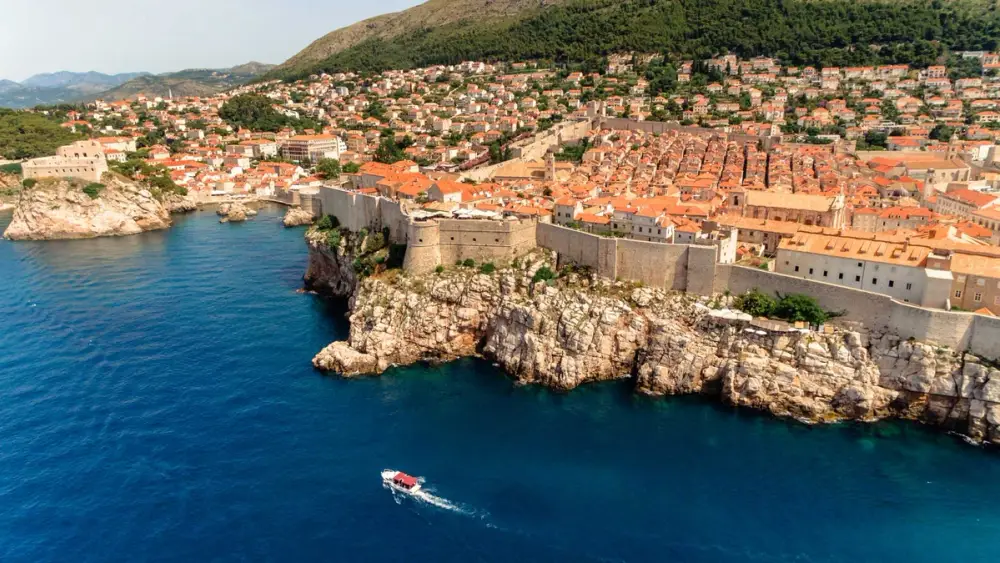
Dubronvik Old Town
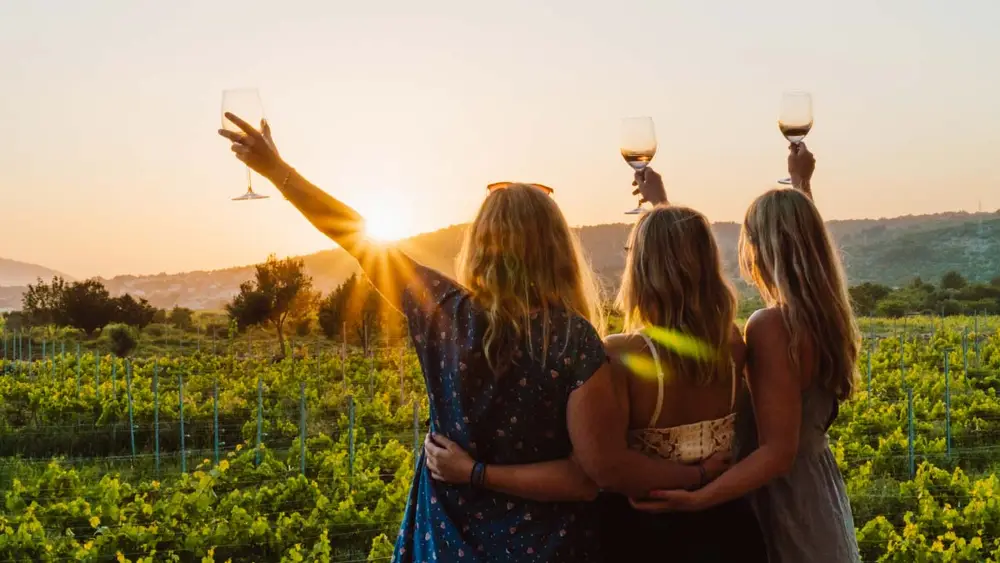
Visit Croatian Vineyards
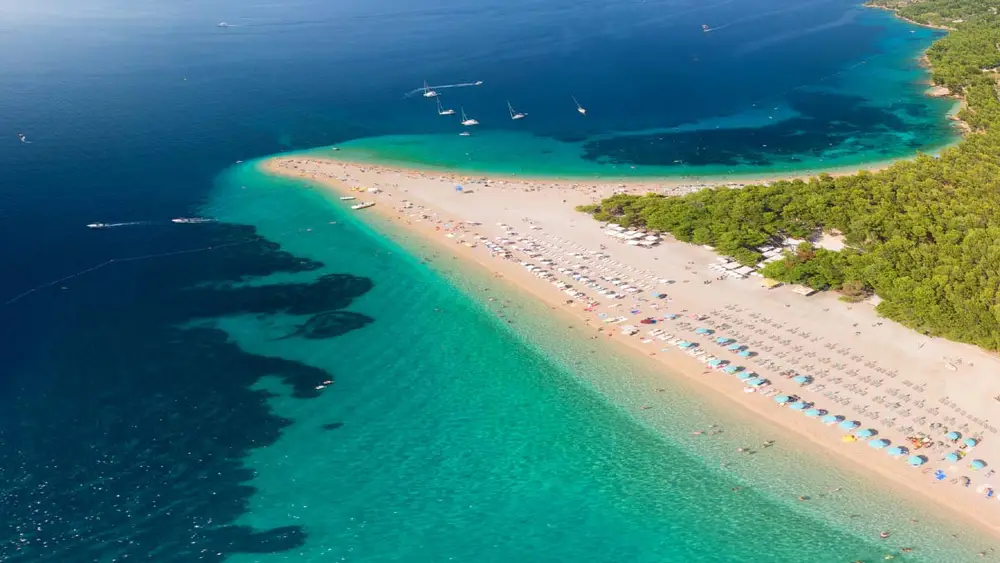
Zlatni Rat beach

Learn to sail

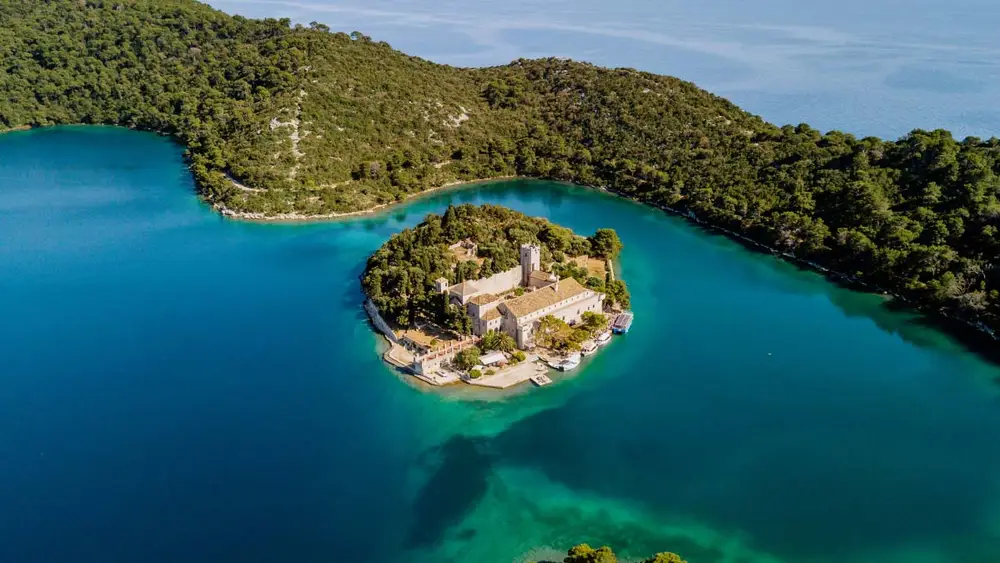
Mljet National Park
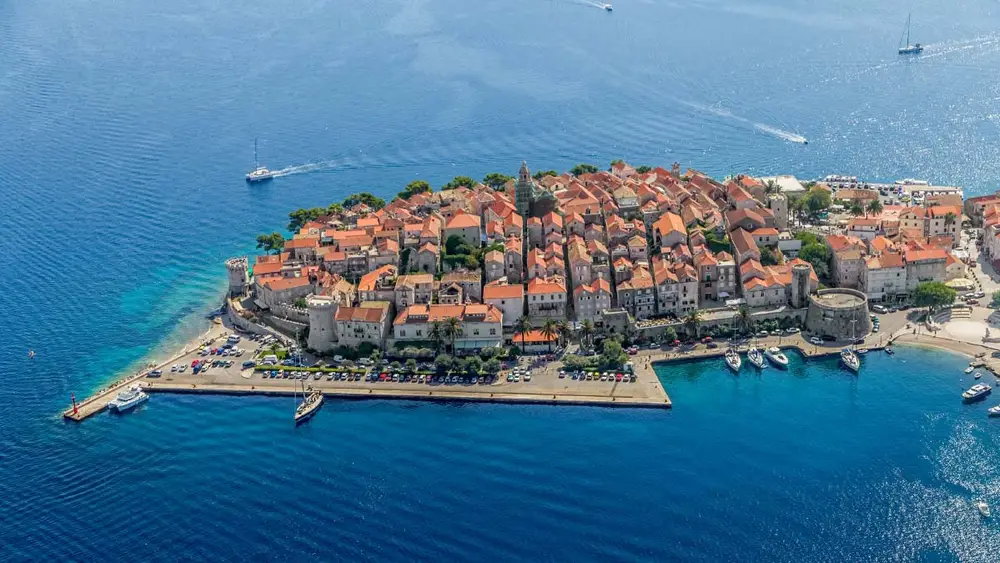
Korcula Old Town
Croatia
 Departs Split & Dubrovnik
 May - October
 2027 LAUNCHING SOON!
 7 days, 6 Nights
Experience the world’s most popular sailing destination. With three routes to suit any style, choose to spend more time exploring Croatia's beauty from land or sea.